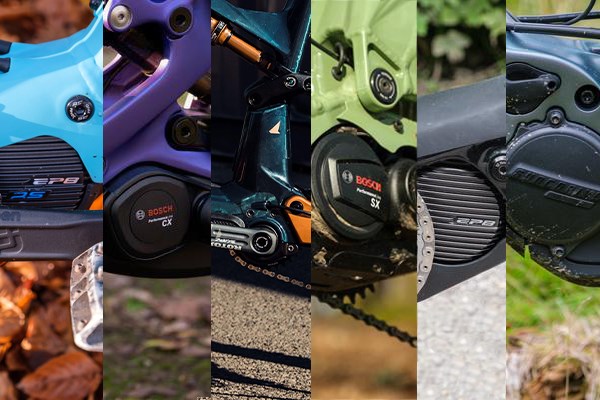

EMTB Drive System Buyers Guide
eBikes are a big part of cycling, with a wide range of motor systems available — from full-power units to lightweight options that feel closer to a regular bike. We’ll go through the most popular e-bike motors, compare the key specs, and help you choose the system that makes the most sense for the way you ride.
Full-Power Vs Lightweight Systems.
eBike motors typically fall into two categories.
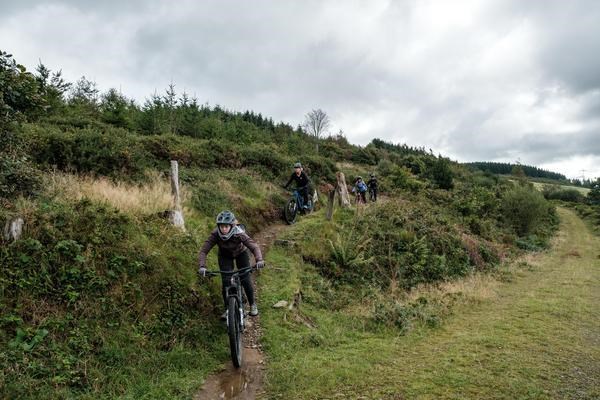
Full-power motors, such as the Bosch Performance Line CX, prioritise strong assistance and long range. They add more weight compared to a standard bike, but that mass can help the bike feel stable and planted, especially on rough trails and fast descents.
Lightweight systems, like the TQ HPR60, aim to keep overall bike weight down and deliver a more natural ride feel. Assistance is lower, but the bike behaves more like an unassisted MTB, with support when you need it rather than dominating the ride.
Full-Power
Pros |
Cons |
|
|
|
|
|
|
Lightweight
Pros |
Cons |
|
|
|
|
|
|
eBike Motor Laws In The UK:
Mid-drive vs hub motors.
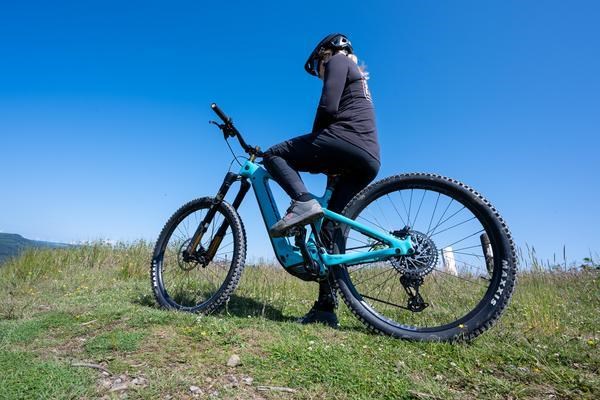
Most eMTBs use mid-drive motors, mounted around the bottom bracket. This keeps the weight low and central, improving balance and handling on technical terrain. Mid-drives also work through the bike’s gears, which helps deliver power more naturally on climbs.
Hub motors, found in the rear or front wheel, are usually cheaper and more common on urban or leisure eBikes. Off-road, they tend to feel less refined due to added weight at one end of the bike and a less natural power delivery, for trail riding, hub motors are rarely chosen.
Choosing the right motor for your riding.
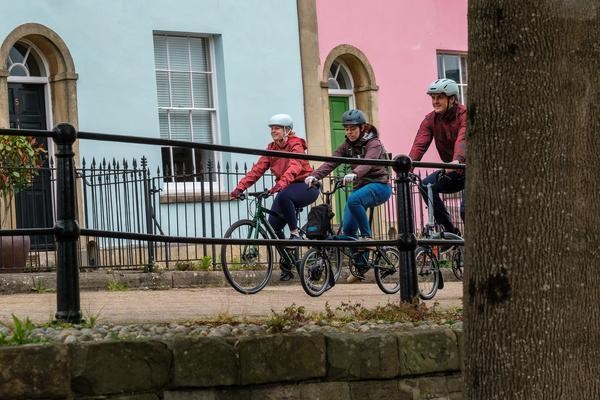
Who you ride with and how you ride both matter. If your regular group is on full-power eBikes and tends to use higher assist modes, a lightweight system can make it harder to keep up. On the other hand, if you’re reasonably fit and want more physical input from each ride, a lighter system can be far more rewarding.
Fitness level plays a role too. Riders returning after time off often appreciate the stronger support of a full-power motor, while those building fitness or recovering from injury may prefer a lighter setup that still offers help when energy levels drops.
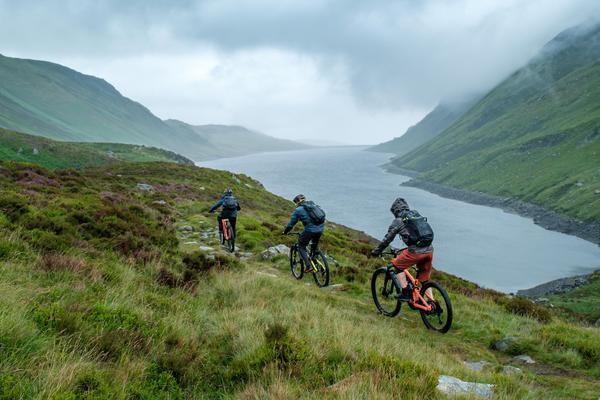
Who you ride with and how fit you’re feeling both play a part. Full-power motors make sense if you’re riding with faster groups or leaning on higher support, while lighter systems suit riders who want to stay more involved in the effort but still appreciate a helping hand. Below, we’ll break down each motor and how it feels out on the trail.
Full-Power Motors.
Full-power motors focus on maximum assistance and range. Batteries typically range from 500Wh up to 1060Wh, making them well suited to long rides with lots of climbing. While heavier than lightweight systems, the added mass can improve stability and traction on rough ground.

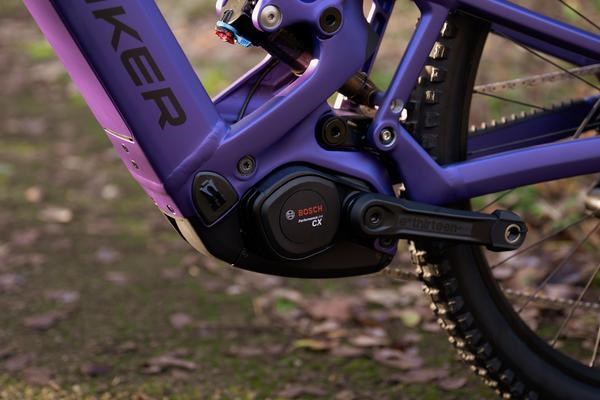
Bosch Performance Line CX.
Known for its smooth, predictable power delivery and reliability, it comes in two current versions the Gen 4 85Nm torque, up to 600W peak power and the Gen 5 100Nm torque, up to 750W peak power.
Newer bikes are moving over to the Gen 5 system, while Gen 4 systems are still widely in use. Bosch also a produce a Race version of their motor, which is available on a select number of bikes.
Benefits: The CX Line motor gives you strong, smooth support from low cadence, so steep climbs feel more manageable without losing that natural pedalling feel.





Shimano EP801.
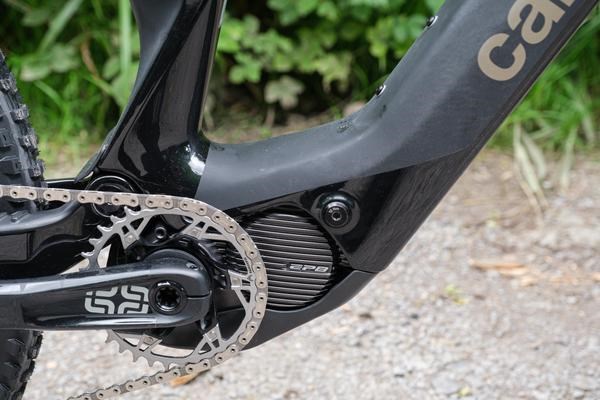
The EP801 is a refined, easy-to-live-with motor with a natural ride feel and smooth power delivery across a wide cadence range. It delivers 85Nm of torque and up to 600W peak power, with optional Di2 integration for automatic shifting under load.
Benefits: The Shimano EP801 delivers its power in a smooth, predictable way, so you can accelerate cleanly when the trail kicks up and keep the pedals turning comfortably at higher cadences. This makes it easier to stay in control on technical climbs and keep momentum on steep, awkward sections.
Shimano EP8 RS.
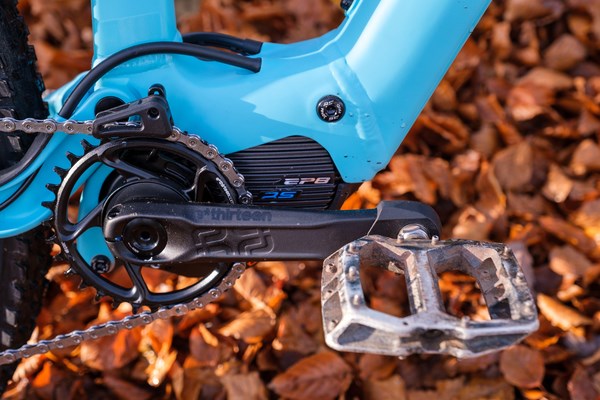
The EP8 RS is a retuned version of Shimano’s EP801 motor, dropping peak output to 60Nm and 350W. The result is a more natural pedalling feel that suits lightweight eMTBs.
Benefits: The EP8 RS is tuned to feel more balanced and rider-led, with power that comes in smoothly and follows your cadence rather than overpowering it. The result is support that feels subtle and controlled, more like an extension of your own effort than a motor stepping in, especially when you’re working through technical climbs or changing pace.



Specialized Turbo 2.2 (Brose).
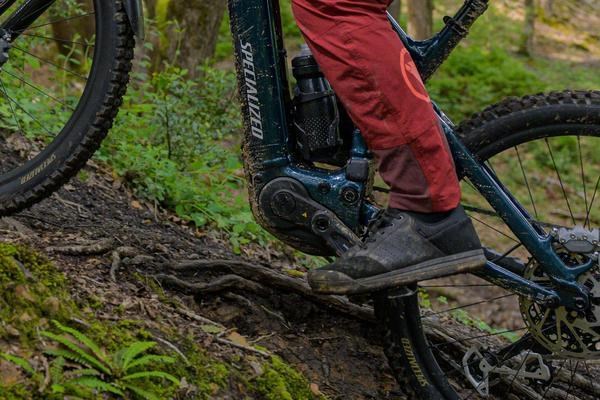
Used on bikes like the Turbo Levo, this motor focuses on balance rather than headline figures. Power delivery is smooth and highly adjustable via the app, allowing riders to fine-tune support for different terrain on the trail. It produces 90Nm of torque and 565W of peak power.
Benefits: The Turbo 2.2 motor supports your pedalling in a really natural way, so when the trail points uphill it feels like you’ve just got stronger legs, not like the motor’s taking over and pushing you up the climb.
Specialized Turbo 3.1 (Brose).
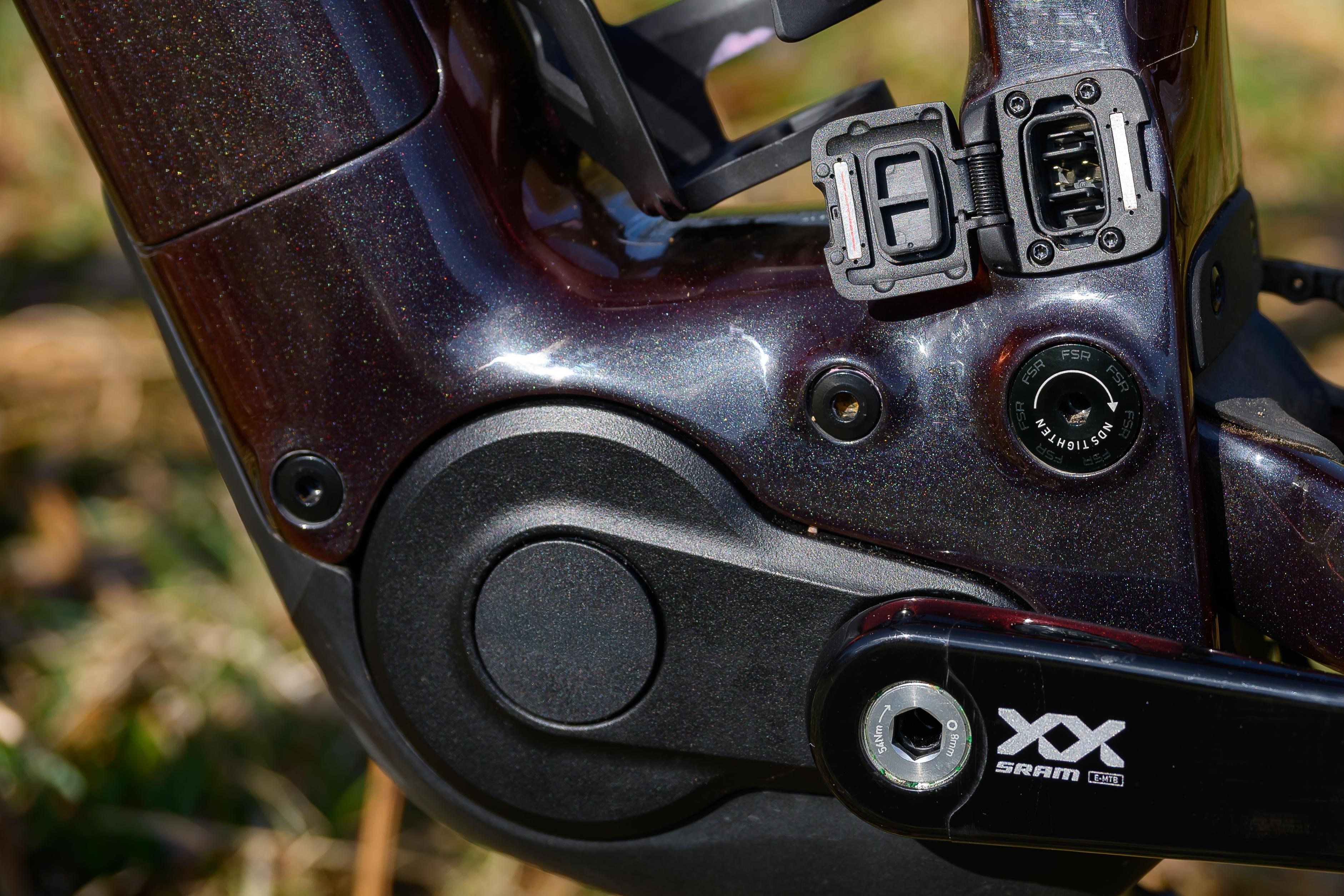
The Specialized Turbo 3.1 motor is a custom system developed with Brose and features on the Turbo Levo 4 and newer models. Brose supplies the motor hardware, while Specialized handles the software and sensor tuning, giving it a smooth, natural feel on the trail. The standard version delivers 101Nm of torque and 666W peak power, while the S-Works offers 111Nm of torque and 720W of peak power.
Benefits: The Turbo 3.1 motor adds a bit more responsiveness and oomph when you need it, so you get lively, intuitive support that feels like an extension of your own legs


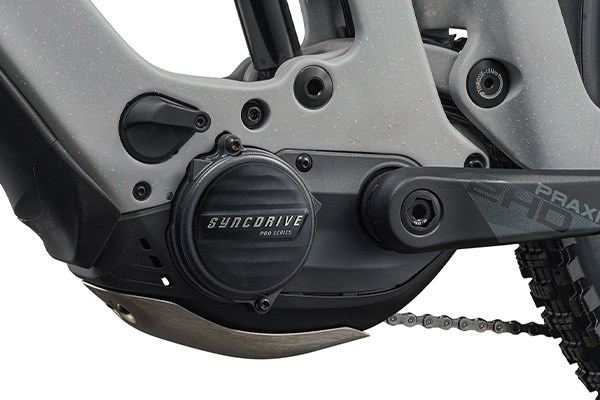
Yamaha PW-XM (SyncDrive Pro 2).
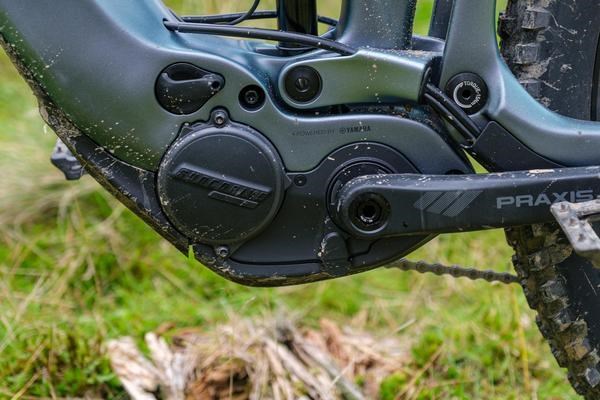
Found on Giant eBikes under the SyncDrive Pro 2 name, the PW-XM delivers 85Nm of torque and up to 500W peak power. It represents a significant evolution in Yamaha’s eBike drive systems, emphasizing lightweight design, high torque, and natural riding dynamics under the brand’s "Pure Ride" concept. It’s compact, responsive, and particularly strong at higher cadences.
Benefits: The motor offers smooth support right when you ask for it, with a natural feel that doesn’t pull you off your line. It’s responsive enough to help you climb technical, steep stuff without feeling like the bike’s taking over.

Giant Syncdrive Pro 3 (Yamaha PW-X3).
The Giant SyncDrive Pro 3 motor is Giant’s latest high-performance e-MTB motor, moving to a 48V system from the previous 36V setup. That extra voltage gives it stronger, more consistent support on long climbs, with up to 90Nm of torque and 800W of peak power. It’s based on the Yamaha PW-X3 platform, but Giant tunes the system in-house, giving it a ride feel that’s smooth, controlled and unmistakably Giant on the trail.
Benefits: The SyncDrive Pro 3 gives you smooth, well-timed support that follows your pedalling, so climbs feel controlled rather than forced. It helps you keep momentum and balance on technical sections without ever feeling like it’s taking over.




Pinion MGU E1.12.
The Pinion Motor Gearbox Unit combines the motor and a 12-speed gearbox into a single system. It’s heavier, but the absence of a rear derailleur and cassette changes the weight distribution. It can also be noisier under load, but it delivers near-maintenance-free riding and lets you shift while stationary — a real advantage on technical climbs. It outputs 85Nm of torque with up to 800W peak power.
Benefits: With the MGU E1.12, the support builds steadily as you push rather than snapping on suddenly. That smooth, consistent delivery makes it easier to stay relaxed and in control on long climbs and awkward, stop-start sections, so you can focus on your line instead of managing the motor.
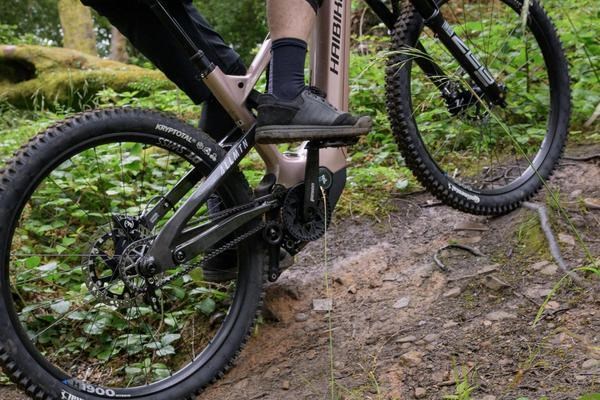
Lightweight Motors.
Lightweight eBike motors focus on reduced weight and a ride feel closer to a traditional pedal bike. Assistance levels are lower than full-power systems but still provide a useful boost on climbs. Battery capacities are smaller — typically between 236Wh and 480Wh — trading outright range for a lighter, more playful bike. Some systems offer optional range extenders, sold separately, to add extra range for longer rides.
Fazua Ride 60.
The Ride 60 prioritizes a natural ride feel and minimalist integration. It emphasizes low weight and clean aesthetics while delivering moderate power. It has 60Nm of torque with up to 450W peak power, offering smooth assistance that blends well with rider input.
Benefits: The assist feels light and intuitive, coming in gently as you push the pedals so the bike still rides like a bike first. That makes it easy to stay in control and feel connected to the trail, especially on flowing climbs and mixed terrain where you want support without feeling like the motor’s driving you.
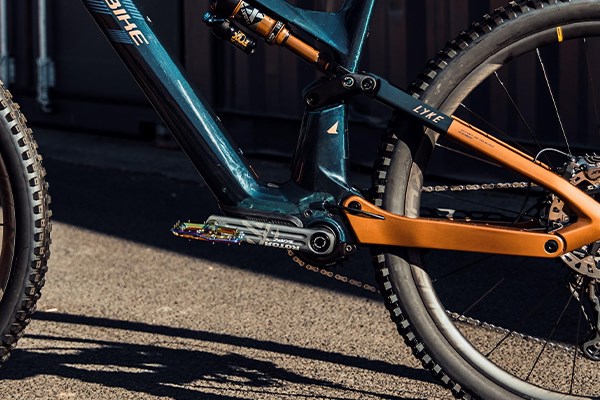

TQ HPR60.
The HPR60 uses TQ’s patented Harmonic Pin-Ring (HPR) designed to give you natural, efficient assistance while keeping weight, size and noise to a minimum. Letting the bike feel and handle more like a regular pedal bike but with a helpful boost when you need it. It has 60Nm of torque and 350W peak power.
Benefits: The HPR60 delivers smooth, responsive support that follows your pedalling without sudden surges. This makes it easy to stay balanced and in control on climbs and technical sections, helping you carry momentum.
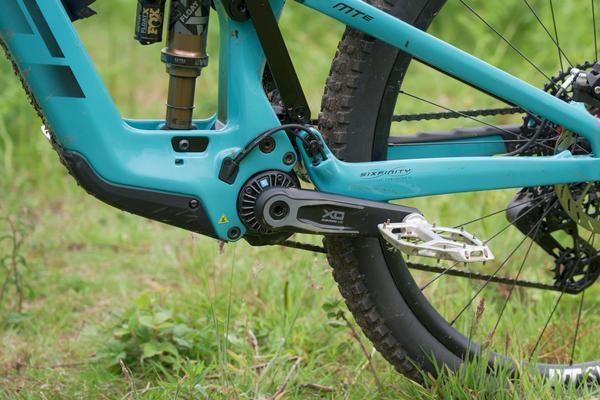

Bosch Performance Line SX.
The Performance Line SX is Bosch’s lightweight option and produces 60Nm of torque with up to 600W peak power, making it one of the punchier systems in this category while keeping overall bike weight down. It’s designed to bring a lighter, more agile ride feel while still offering strong assistance.
Benefits: The Performance Line SX feels light and quick under power, with support that responds instantly when you spin the pedals rather than building bulky torque. That fast, natural response helps the bike keep its lively, agile feel on punchy climbs and rolling terrain, so it still rides like a trail bike, just with a helping hand.
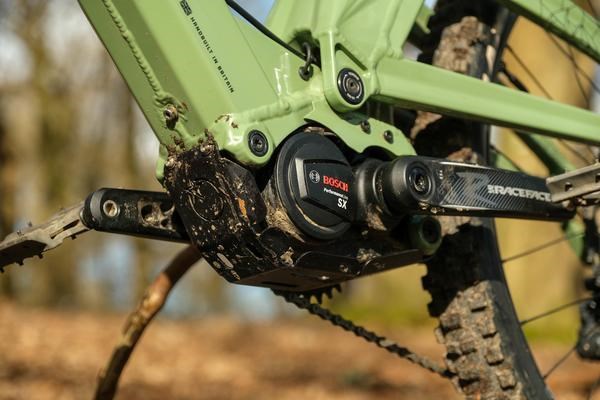

The SL 1.2 is used on Specialized’s “SL” eBikes. It’s designed to give natural, trail-oriented assistance without the weight and bulk of a full-powered eMTB system — ideal for riders who still want a good workout and trail feel. It has 50Nm of torque and 320W peak power, focusing on subtle support rather than outright assistance.
Benefits: The SL 1.2 keeps that lightweight, natural SL feel but adds a bit more muscle when you push on, so harder efforts and steeper ramps feel more manageable without changing how the bike rides. The support comes in smoothly and predictably, letting you spin up climbs and carry speed while the bike still feels agile.
Final thoughts.
There’s no single “best” eBike motor — only the one that best matches how and where you ride. Whether you value maximum support for long, technical days or a lighter, more traditional ride feel, today’s eBike systems offer options to suit every style of riding.
The most important thing is simple: get out, ride, and choose a setup that keeps you enjoying the trail for longer.